Say Hello!
Sign In

Health and Safety on Treks
What Trekmunk does to ensure your Safety & Health.
Amidst all the excitement and anticipation that surrounds trekking, it is easy to overlook some important safety aspects. Come on, who’d want to think of dire situations and risks when there is a skyline of snow clad mountains, forest valleys, and alpine meadows to look forward to?! While you can rest assured that your safety is always our first priority, and our trek leaders are qualified and well trained to handle all kinds of situations, there are a few things that you should be aware of.
We wish to inculcate a sense of responsibility when it comes to the safety of trekkers. Here are a few ways in which Trekmunk optimizes the safety of trekkers.
1. Fitness & Preparation Guidance
Shortly after you’ve registered for your trek, next step comes to train your mind and body for the trek. One of the best ways to ensure you remain healthy and safe on a high altitude trek is to prepare well and make sure your fitness is up to the mark. That way, your body is conditioned to get better adjusted with the noticeably lower levels of oxygen at higher altitudes. Another criteria to watch out for is the Body-Mass Index (BMI). In addition to an extensive fitness regime, it is also advisable to try to bring your BMI to the required mark.
2. Maintaining a track record of health throughout the trek
Now that you’re on the trek, a few more safety procedures come into play. Our trek leaders will keep a record of your oxygen level, pulse rate, and blood pressure every day at specified intervals. This way, whatever symptoms of illness that the body shows will be detected at the earliest, minimizing danger.
3. Extensive Medical Kit
Our trek leaders are well-equipped with an extensive high altitude medical kit, which includes basic medication, along with specific medicines for altitude sickness – Diamox, Dexamethasone, and Nifedipine. In addition to these, the trek leader will also carry an oxygen cylinder for emergencies. Also, if you feel any kind of discomfort during your trek, it is best to bring it to your trek leader’s notice right away.
4. Professional Equipment
When necessary, Trekmunk will also provide trekkers with micro-spikes to ensure safety when trekking on snow. Micro-spikes are attached to your shoes and ensure that you don’t slip. We will also provide you with gaiters in case of high levels of snow, ensuring that the snow doesn’t enter your shoes. Once wet, trekking shoes take a considerable amount of time to dry, especially after sundown.
When it comes to the Himalayas, the terrain is different not only on different treks but even on different days of the same trek. The assistance of technical guides ensures that you’re able to traverse these terrains with minimum difficulties.
We carry the best quality of tents and sleeping bags to ensure that, even when it’s freezing outside, you can have a good night’s sleep inside the tent. Our sleeping bags are made specifically to withstand temperatures as low as -10 degrees Celsius.
Considering all the safety equipment and precautions that we’ve established, you need not to worry about your safety on the trek. However, contact your trek leader at once in case of discomfort.
5. Well Hydrated, Well Fed
The key to avoiding and battling altitude sickness is to keep oneself well hydrated throughout the trek. A minimum of 4 liters of water is absolutely necessary to sustain. Despite the perennially cold weather of the Himalayas, it is easy to get dehydrated due to trekking for extended hours in direct sunlight. Dehydration is a loud and clear invitation to altitude sickness. You will be informed about the water sources along the way each day. One way to ensure that you’re well hydrated is to keep a check on the color of your pee – if it is yellow, you need to up your water intake; if it is transparent, you’re good.
You will be provided with balanced and nutritious meals throughout the trek. Do not skip any meals, as this can cause health imbalances and emergencies, considering the high altitude. In case of loss of appetite, get in touch with your trek leader.
What is Acute Mountain Sickness (AMS)? Should you worry about it?
One more thing that you need to heed is altitude sickness. Essentially, altitude sickness is a condition that is caused by the low level of oxygen molecules at high altitudes. If ignored, altitude sickness can prove fatal. Since your body is accustomed to functioning at a certain oxygen level, it reacts a lot differently when that oxygen level decreases considerably. Although, when dealt with properly, this isn’t something you need to worry about. Furthermore, in order to keep your chances of altitude sickness at bay, here are a few measures that can come in handy –
1. Tablets
Although it’s imperative to consult your trek leader before you pop it in, should you feel you’re coming down with altitude sickness, be sure to carry Diamox with you. The medicine helps you avoid altitude sickness, and if you’ve already been hit by it, the tablet helps you slow down its effects on the body.
2. Rest
When trekking at high altitudes, the importance of a good night’s sleep cannot be overstated. Since all your energy is utilized through the day, you need a minimum of 8 hours of sleep in order to restore it. Also, it almost goes without saying, but NEVER go to sleep on an empty stomach.
3. Water
Hydrate. That’s the most important health measure to abide by when in the mountains. A minimum of 4-5 liters of water is needed by the body in order to acclimatize well. Although, given the cold weather, you might not find yourself very thirsty, keep taking frequent sips of water.
4. Eat
Now, it isn’t uncommon to find that trekking at high altitudes sometimes dampens your appetite, but that’s no reason to skip meals. Eat sumptuously and frequently, while also carrying a handful of fresh fruits, nuts, and dry fruits to munch on while trekking. Not only does food help you with avoiding AMS, but also supplies enough energy to your body to keep you warm in the cold.
5. Liquor
Alcohol is not an option when trekking. AT ALL. Granted, you might be tempted to pop open a bottle of Old Monk, thinking that the cold weather warrants it, all it does it mess up your body. It is likely to strike you with the infamous trifecta – dehydration, hypothermia, and AMS. It basically quells all your conscious efforts made to keep AMS away. Wouldn’t you rather enjoy being high on the surreal beauty that you’re bestowed with, anyway? It gives you a far better kick than alcohol ever will, trust us.
If you have any questions about health and safety, Call/Whatsapp us on +91-8800332031 or Mail us.
Related Trek
9 Days
USD 250 / INR 18,500/-
USD 250 / INR 18,500/-
Location : Uttarakhand
Difficulty : Moderate
Best time : June, Sept-Oct
Difficulty : Moderate
Best time : June, Sept-Oct
5 Days
Location : West Bengal
Difficulty : Moderate
Best time : Oct-May
Difficulty : Moderate
Best time : Oct-May
4 Days
USD 95 / INR 6,750/-
USD 95 / INR 6,750/-
Location : Himachal Pradesh
Difficulty : Easy to Moderate
Best time : May - Oct
Difficulty : Easy to Moderate
Best time : May - Oct
5 Days
INR 10/-
Location : Kashmir
Difficulty : Moderate
Best time : July-Sep
Difficulty : Moderate
Best time : July-Sep
11 Days
USD 800 / INR 57,900/-
USD 800 / INR 57,900/-
Location : Uttarakhand
Difficulty : Difficult
Best time : May-June, Sept-Oct
Difficulty : Difficult
Best time : May-June, Sept-Oct
20 Days
USD 1600 / INR 115,000/-
USD 1600 / INR 115,000/-
Location : Uttarakhand
Difficulty : Ultimate Difficulty
Best time : May-June, Sept-Oct
Difficulty : Ultimate Difficulty
Best time : May-June, Sept-Oct
4 Days
Location : Himachal Pradesh
Difficulty : Easy to Moderate
Best time : May-June, Sept-Jan
Difficulty : Easy to Moderate
Best time : May-June, Sept-Jan
5 Days
INR 9,850/-
Location : Kashmir
Difficulty : Moderate
Best time : December-March
Difficulty : Moderate
Best time : December-March
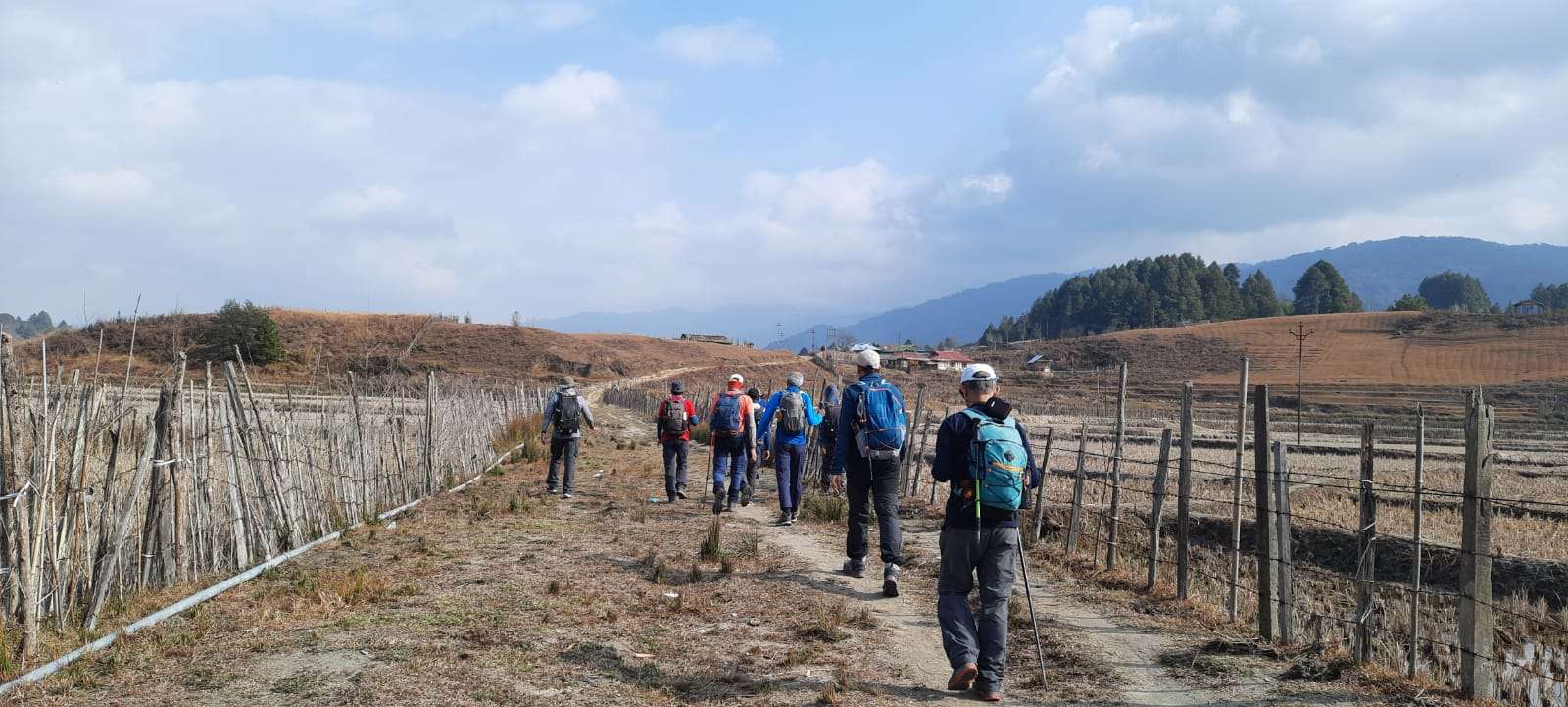
6 Days
USD 300 / INR 22,450/-
USD 300 / INR 22,450/-
Location : Arunachal Pradesh
Difficulty : Easy to Moderate
Best time : Oct-April
Difficulty : Easy to Moderate
Best time : Oct-April
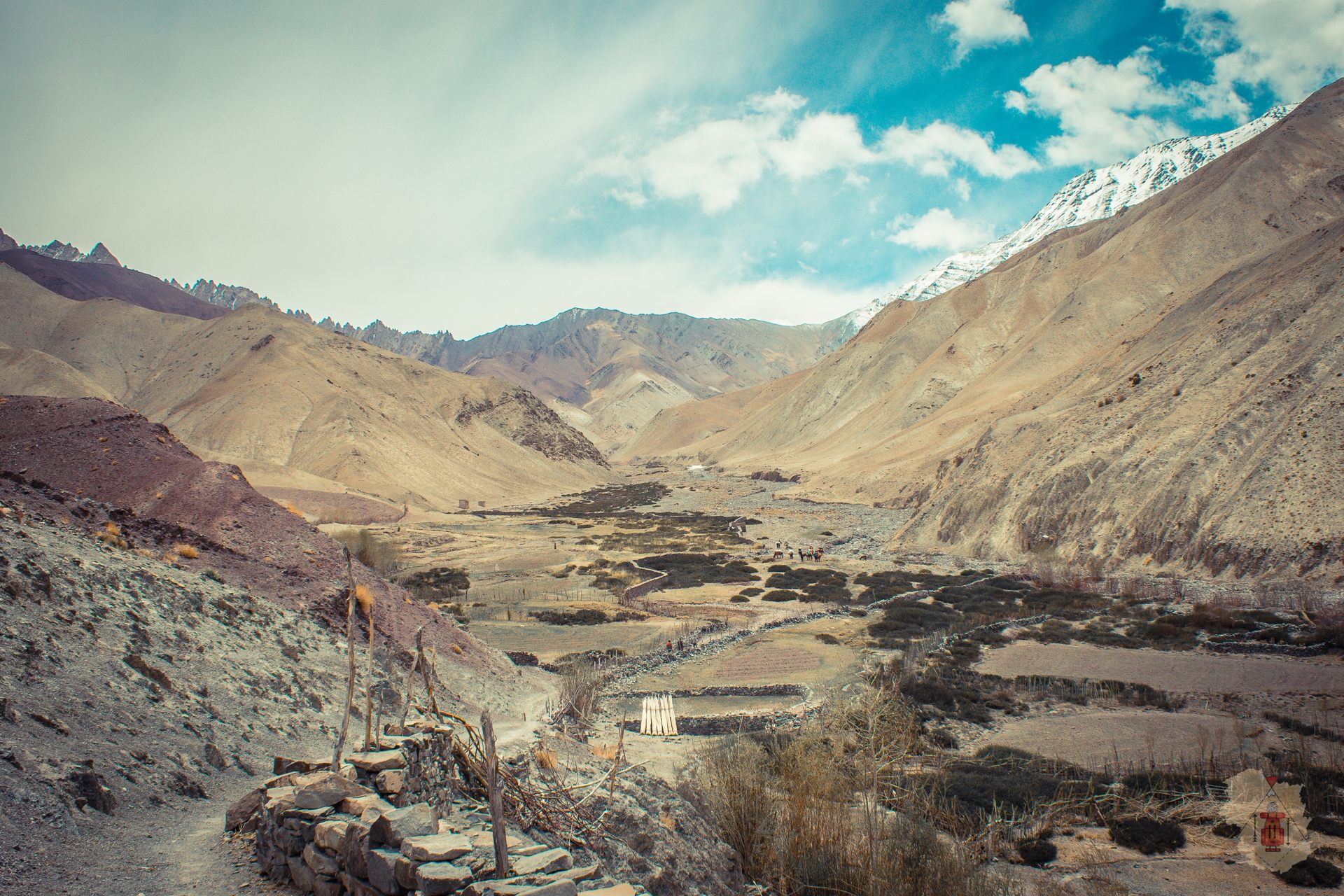
8 Days
USD 550 / INR 40,000/-
USD 550 / INR 40,000/-
Location : Ladakh
Difficulty : Moderate to Difficult
Best time : June-Oct
Difficulty : Moderate to Difficult
Best time : June-Oct
Related Blogs
Are you a beginner in trekking and a little anxious in choosing the first trek of your life? Don’t worry we have jotted down a list of just the right trek for a beginner that will help you get familiar with trekking and its basics
From Himachal Pradesh to Kashmir and Sikkim to Uttarakhand, India is exhaustively diverse in the terrains it has to offer. Whether you prefer a short 3 days trek in the Valley of Flowers or Kedarkantha, Uttarakhand, or a longer 8 days trek in Goecha La, Sikkim, or Stok Kangri, Leh, trekking up a mountain or
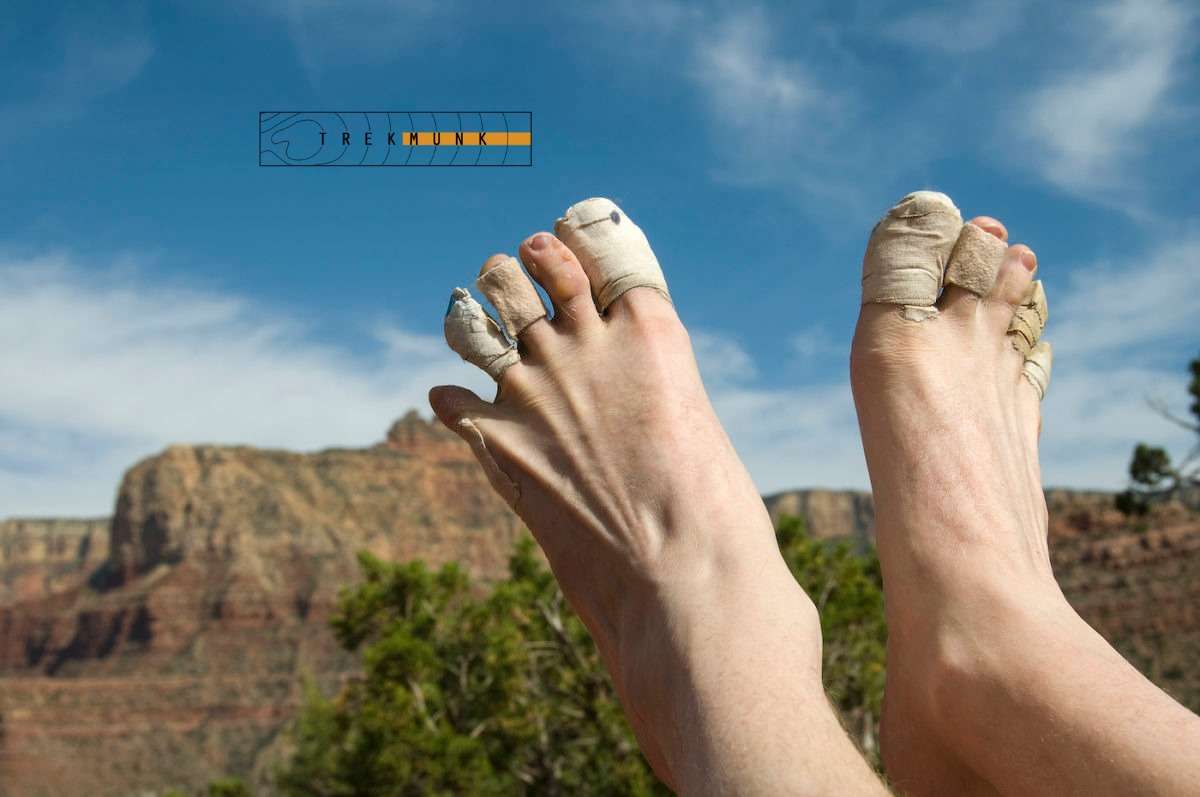
Blisters are a universal problem, each one of us gets affected by it multiple times in our life. You don't need to go on a trek to get blisters you can get one just by sitting at home doing nothing.
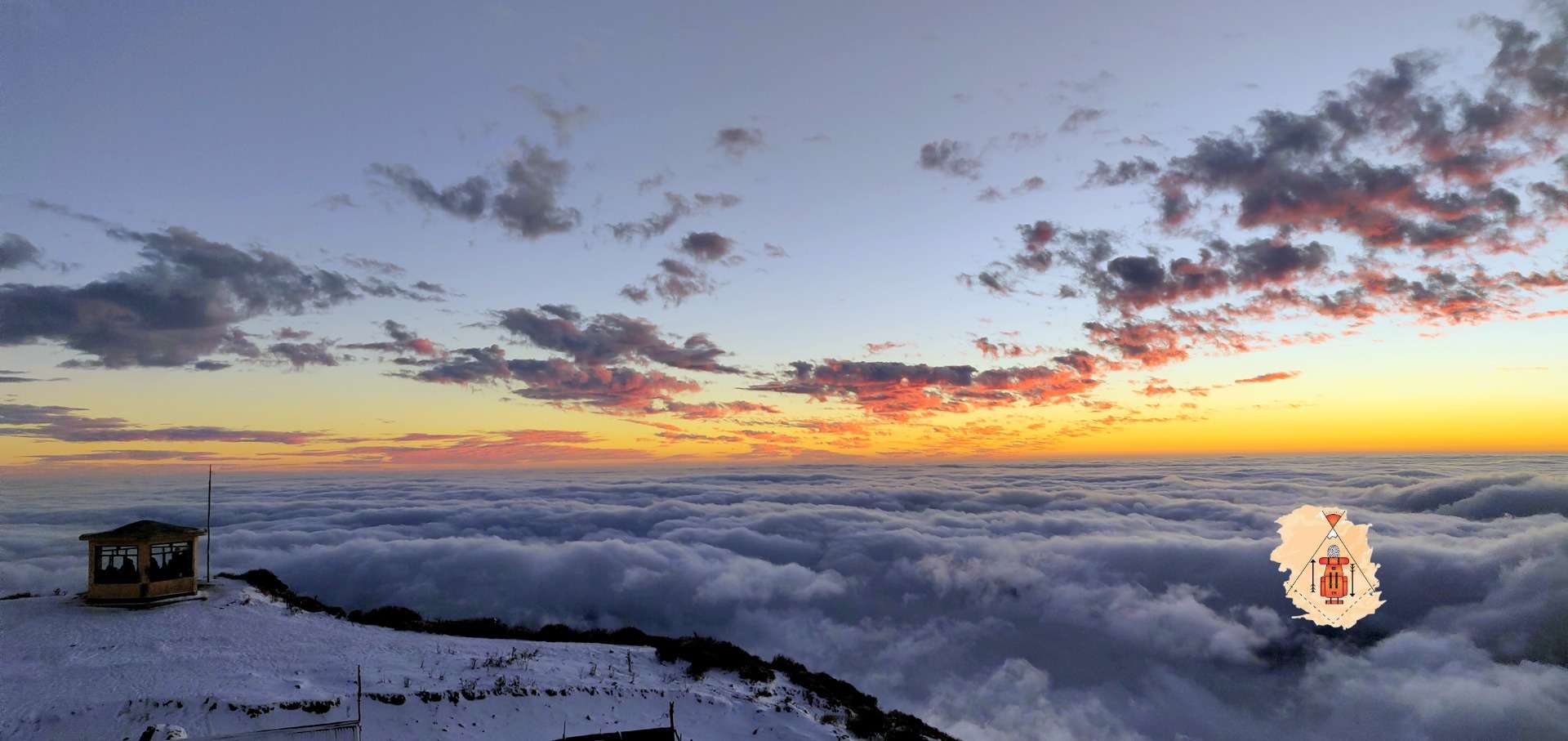
Sandakphu, rightly nicknamed as 'a trekker's delight', is the highest peak in West Bengal. It is truly one of a kind, and so mesmerizing that words cannot do justice to it. Yet, try we will.

Motions sickness is one of the main problems faced by most travelers and is not necessarily experienced by occasional travelers but can also be experienced by a very frequent traveler.
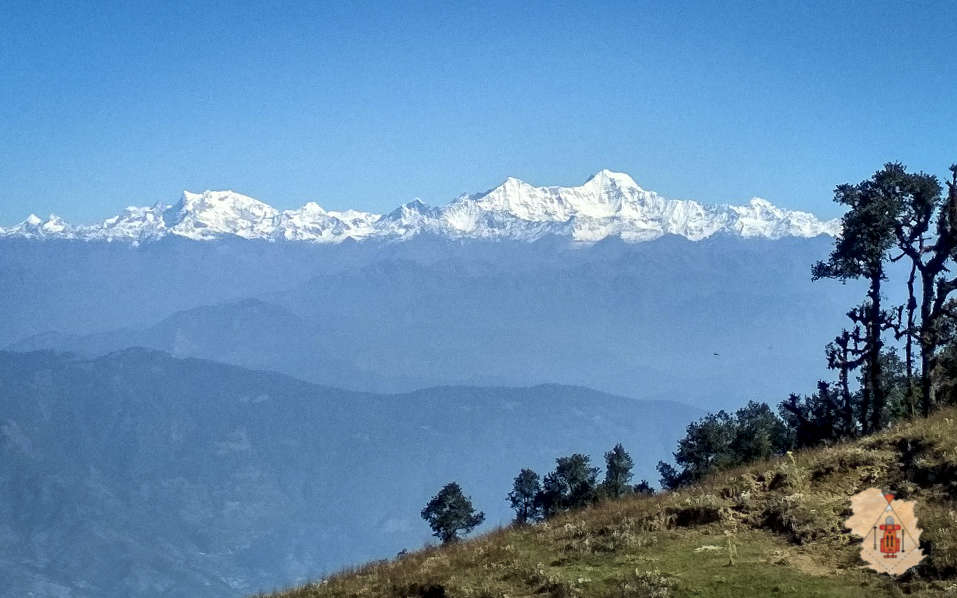
A quick weekend escape into the woods is as much practical as ideal with the Nag Tibba trek in picture. But the catch here is that it can be done solo and thoroughly enjoyed.
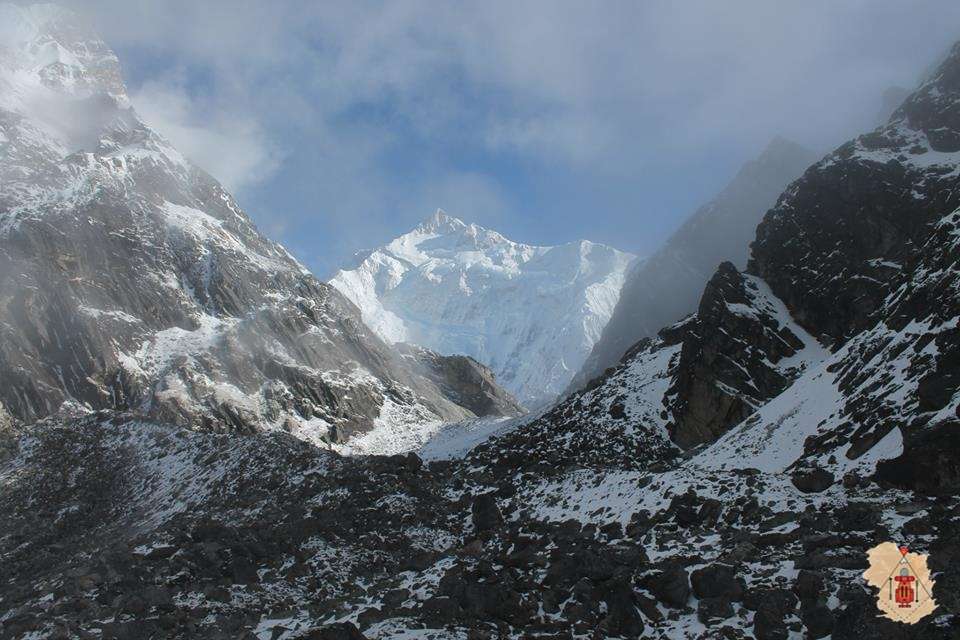
Goechala; a magical, electric and cinematic trek, is pretty much every adventure enthusiast’s much longed for and admired destination. It is unbelievably surreal
During a trek or any other mountain expedition, we are ought to travel to high altitudes. As we ascend, due to change in elevation there is a change in various other factors.
It is a constant-can't live indoor-can't live outdoors struggle and we, being a part of the adventure thirsty tribe, are the ones suffering the most.
Excited about your upcoming Himalayan trek? Don't trek the threat of Acute Mountain Sickness dampens the high. While it is quite common to experience AMS at high altitudes if not properly , there are a few things that can reduce the chances of your getting sick.